Wedding flowers guide Kelsey Park Bromley
Posted on 03/10/2026
Planning wedding flowers for Kelsey Park Bromley can feel wonderfully exciting and slightly overwhelming at the same time. One minute you're picturing a bride's bouquet in soft whites and blush tones, and the next you're wondering about buttonholes, table flowers, delivery timing, and what happens if the weather turns a bit British on the day. Truth be told, that last part matters more than people think.
This guide is here to make the process feel calm, clear, and genuinely useful. Whether you're organising a small register-office style celebration, a larger reception, or simply want flowers that suit the setting around Kelsey Park and the Bromley area, you'll find practical advice here on choosing the right designs, matching them to your venue, avoiding common mistakes, and making sure everything arrives looking fresh. We'll also cover where wedding flowers fit alongside broader planning, from style choices to timing, budgets, and local delivery expectations.
If you're still exploring styles, it can help to look at a dedicated wedding flowers Bromley BR1 range alongside specific bridal pieces such as bridal bouquets, bridesmaid bouquets, and table arrangements. The real value, though, comes from knowing how to join it all together so the flowers look intentional rather than simply expensive. Let's get into it.
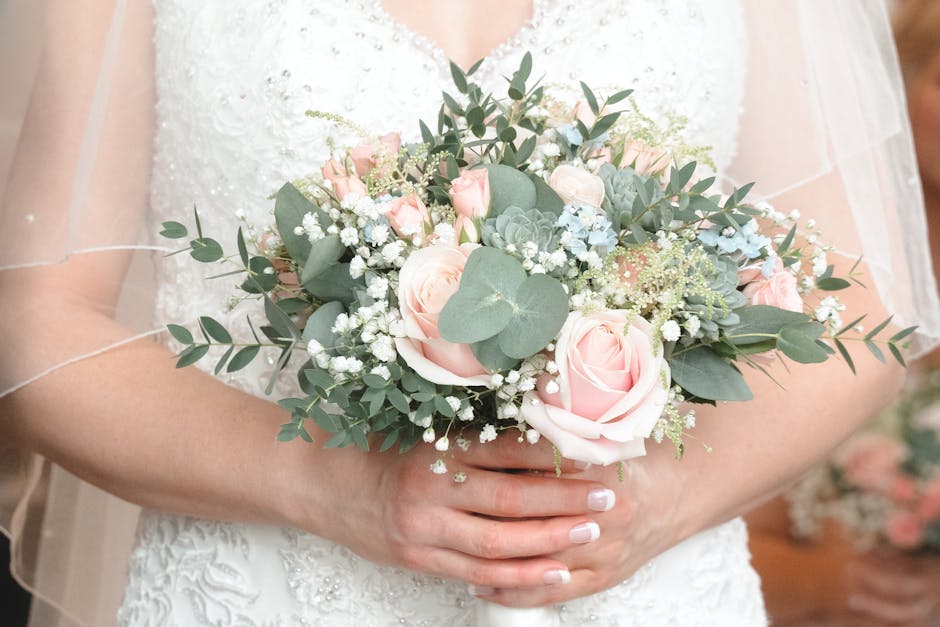
Table of Contents
- Why Wedding flowers guide Kelsey Park Bromley Matters
- How Wedding flowers guide Kelsey Park Bromley Works
- Key Benefits and Practical Advantages
- Who This Is For and When It Makes Sense
- Step-by-Step Guidance
- Expert Tips for Better Results
- Common Mistakes to Avoid
- Tools, Resources and Recommendations
- Law, Compliance, Standards, or Best Practice
- Options, Methods, or Comparison Table
- Case Study or Real-World Example
- Practical Checklist
- Conclusion
- Frequently Asked Questions
Why Wedding flowers guide Kelsey Park Bromley Matters
Wedding flowers do more than decorate a space. They help set the tone of the day, tie together outfits and venue styling, and give guests that first quiet impression that everything has been thought through. Around Kelsey Park Bromley, where local venues, leafy surroundings, and transport logistics all come into play, the right flowers can make an event feel polished without feeling overdone.
Why does a local guide matter so much? Because wedding flowers are rarely chosen in isolation. You have to consider the season, the look of the ceremony space, how much time there is for setup, and how long blooms need to hold up between delivery and the last dance. A bouquet that looks perfect in a studio can behave very differently in a warm marquee, a village hall, or a reception room with bright afternoon light.
There is also the emotional side. Wedding flowers often carry meaning. A favourite bloom from a parent, a colour that echoes the bridesmaids' dresses, or a simple white palette that feels elegant and timeless. These details sound small, but they are often the bits people remember later. The scent of roses as you step into the room. The way a buttonhole sits properly on a jacket. That little moment when the bouquet matches the dress better than you'd hoped. A tiny thing, but not really.
For local couples in BR1, a tailored approach can also reduce wasted spend. Instead of buying every possible floral element, you can prioritise what guests will actually see and photograph: bridal bouquet, bridesmaid bouquets, buttonholes, ceremony arrangements, and a few statement table pieces. That is often the sweet spot.
How Wedding flowers guide Kelsey Park Bromley Works
A good wedding flowers plan follows a simple rhythm. First you define the overall style. Then you decide where flowers are needed. After that, you match blooms, colours, and sizes to your venue and schedule. Sounds straightforward. In practice, the detail makes all the difference.
Most wedding flower planning starts with three questions:
- What mood do you want the wedding to have?
- Where will the flowers be seen most clearly?
- How much maintenance or setup time is realistic on the day?
Once those are clear, you can start narrowing the options. For example, classic ivory roses and soft greenery create a refined, traditional feel. Mixed-colour designs feel more relaxed and joyful. Statement arrangements with orchids or lilies can bring a more modern, luxury look. You can also build around a seasonal palette, which often gives a more natural result than trying to force out-of-season combinations.
At a practical level, wedding flowers usually fall into a few categories:
- Bridal flowers such as bouquets and trailing designs
- Attendant flowers such as bridesmaid bouquets and corsages
- Groom and wedding party flowers such as buttonholes and lapel pieces
- Ceremony flowers for aisles, registrars' tables, or entrance areas
- Reception flowers for tables, cake tables, and focal points
In the Bromley area, it is sensible to think about delivery windows and how the venue handles setup. Some venues are happy for suppliers to arrive early. Others have tighter time slots, shared entrances, or limited parking. Not a drama, but definitely something to plan for. A florist who understands the local area can usually help you work around those small friction points before they become big ones.
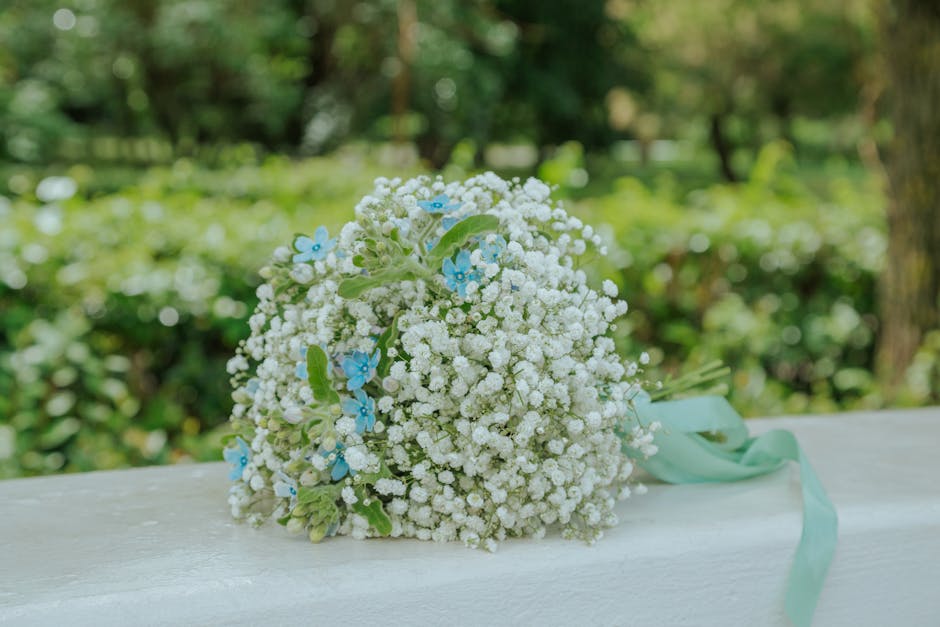
If you are comparing product ranges, a collection like weddings can be useful for seeing related pieces together, while styles such as a wedding collection or individual designs like a bridal bouquet and a matching bridesmaid bouquet make it easier to keep everything coherent.
Key Benefits and Practical Advantages
When wedding flowers are planned properly, the benefits go beyond appearance. The whole day tends to feel more settled. You know what is arriving, when it is arriving, and how it will be used. That removes a surprising amount of stress.
Here are the main advantages couples usually notice:
- Visual unity: flowers connect clothing, venue decor, and photography into one clear style.
- Better budgeting: you can focus spend where it counts instead of scattering it across random extras.
- Stronger photos: bouquets and arrangements frame people beautifully, especially in ceremony and table shots.
- Less day-of pressure: pre-planned deliveries and setup timings reduce last-minute scrambles.
- Personal meaning: floral choices can reflect family, season, tradition, or personal taste.
There is a practical benefit that often gets overlooked: proportion. A bouquet that suits your frame, dress silhouette, and height looks far better than one chosen just because it was trendy on social media that week. Same goes for table arrangements. Tall designs can feel dramatic, but they can also block conversation if the venue space is tight. On the other hand, lower arrangements can feel intimate and easier for guests to enjoy up close.
Another advantage is flexibility. You do not need to use flowers everywhere. In fact, restraint often looks more luxurious. A clean bridal bouquet, buttonholes for the key people, and a few thoughtful ceremony pieces can create a refined result without drowning the room. Sometimes less really is more, even if your Pinterest board disagrees.
Who This Is For and When It Makes Sense
This guide is for anyone planning a wedding in or around Kelsey Park Bromley who wants flowers to feel considered, not chaotic. It is especially useful if you are:
- planning a ceremony with a limited setup window
- trying to coordinate flowers with a venue's existing decor
- balancing style preferences with budget limits
- booking flowers for the first time and not sure what is actually needed
- comparing bridal bouquets, table arrangements, and wedding party flowers
It also makes sense if you want local delivery handled cleanly. That is a very normal concern. Wedding mornings move quickly, and there is often a hundred small things happening at once: hair, makeup, dresses being steamed, someone hunting for the rings, a family member saying they know where the charger is but definitely do not. You do not want the flowers adding to that.
For couples who already know they want a certain look, the guide helps refine decisions. For couples who have no idea where to start, it gives a sensible order: style first, then quantity, then timing, then final details. That is much easier than choosing randomly from a dozen beautiful options and hoping they will magically work together.
And if you are looking at more than flowers, it can be helpful to browse related gift and occasion ranges too, such as wedding gifts or simple add-ons in the broader all flowers collection. Not because every wedding needs extras, but because sometimes a thoughtful side piece completes the picture.
Step-by-Step Guidance
Here is a practical way to approach wedding flowers for Kelsey Park Bromley without overcomplicating things.
1. Decide the overall style
Start with the mood. Do you want romantic, modern, traditional, country-inspired, or luxury? A couple getting married in early spring may prefer soft, fresh colours. A summer celebration might suit brighter tones or garden-style flowers. A more formal evening reception can take richer shades and more structured arrangements.
Do not begin with flower names alone. Begin with feeling. That usually leads to better decisions.
2. Match flowers to the venue
Think about the room or outdoor space where the flowers will be seen. If the setting already has strong visual features, such as patterned wallpaper, dark wood, or dramatic lighting, you may want flowers that complement rather than compete. For light, airy spaces, simple whites, blush, and greens often work beautifully.
If the ceremony is at or near Kelsey Park, seasonal flowers can also feel especially at home in a natural setting. A loose bouquet with textural stems can look effortless by the greenery, while tightly arranged roses can feel more formal and polished.
3. Choose the priority items
Wedding budgets go further when you decide what is essential. Usually the priority order looks something like this:
- Bridal bouquet
- Bridesmaid bouquets
- Buttonholes or boutonnieres
- Ceremony flowers
- Reception table arrangements
- Optional extras such as corsages, top table pieces, or petals
If the budget is modest, it is often smarter to invest in a beautiful bouquet and a few visible supporting flowers rather than spreading the spend too thinly.
4. Select colours and flower types
Pick a palette that works with dresses, suits, venue tones, and the season. Soft pinks, whites, purples, and mixed pastels are popular because they are adaptable. Bold red, yellow, or mixed-colour schemes can be lovely too, especially if the wedding theme is lively or contemporary.
Common wedding flowers include roses, lilies, orchids, alstroemeria, chrysanthemums, and hydrangeas. Each has its own look and feel. Roses tend to feel classic. Orchids are elegant and modern. Hydrangeas create fullness. Lilies can make a statement. There is no single right answer, and thank goodness for that.
5. Plan delivery and setup
Flowers should arrive with enough time for the florist or venue team to place them properly. Delivery timing matters more than people think, especially if the schedule includes photos before the ceremony. Build in a little breathing room. You will thank yourself later.
6. Confirm final quantities
Count everything carefully. It sounds obvious, but final counts often change. A cousin is suddenly a bridesmaid. A buttonhole is needed for the registrar. A table plan is revised. This is normal wedding chaos, really. Finalise numbers as close to the date as is sensible, then keep them steady.
7. Check storage and care on the day
Ask how the flowers should be kept before use. Some blooms do better in a cool room. Some need careful handling. If you have a long day, your bouquet may need a little refresh before the ceremony or photos. A florist should be able to advise on this in plain English, not florist riddles.
Expert Tips for Better Results
In our experience, the most successful wedding flower plans are not the fanciest. They are the most coherent. Everything feels like it belongs together. Here are a few expert tips that make a real difference.
- Use repetition wisely. Repeating one or two flowers across the bouquet, buttonholes, and table pieces gives the wedding a joined-up look.
- Think in layers. A bouquet with a focal flower, supporting blooms, and softer filler usually looks richer than a simple one-note arrangement.
- Consider the dress fabric. Satin, lace, tulle, and structured tailoring all pair differently with flowers.
- Choose a practical bouquet size. Very large bouquets photograph well, but they can be awkward to carry for long periods.
- Keep the weather in mind. Even on a mild day, indoor warmth can shorten flower life faster than expected.
One subtle point: photographs often flatten colours slightly. A bouquet that looks delicate in person may appear even paler on camera. If you want visible impact in pictures, ask for a bit more contrast than you might normally choose for home decor. Nothing extreme. Just enough to show up.
Another useful habit is to bring reference images, but not too many. Three or four examples are better than twenty. Too many pictures can muddy the brief, and suddenly everyone is talking about three different weddings from three different seasons. A bit of focus helps.
If your wedding includes several floral roles, it may also help to keep a consistent family of products in mind, such as buttonholes, corsages, and table arrangements. That keeps the visual language steady, without making every item identical.
Common Mistakes to Avoid
Wedding flowers are one of those areas where small mistakes can have an outsized effect. The good news? Most of them are easy to avoid once you know what to look for.
- Leaving flowers too late. Peak wedding dates fill up fast, and late booking can limit choices.
- Overfilling the order. More flowers are not always better. Some weddings look cleaner and more elegant with fewer pieces.
- Ignoring venue size. Large arrangements in a small room can feel cramped.
- Forgetting transport and setup. A beautiful bouquet still needs to arrive in good condition and at the right time.
- Mixing too many styles. Rustic, tropical, classic, and ultra-modern all in one wedding can look confused.
- Not checking seasonality. Some flowers are harder to source at certain times of year, which can affect price and availability.
One of the biggest mistakes is assuming every arrangement needs to be a statement piece. Honestly, that is how wedding flowers get a bit shouty. A calmer mix of focal and supporting items is usually more elegant. And often cheaper. Which, let's face it, never hurts.
Another common issue is forgetting the practical side for buttonholes and corsages. These pieces need to sit comfortably, not poke, droop, or disappear against clothing. Small detail, big difference.
Tools, Resources and Recommendations
You do not need a huge toolkit to plan wedding flowers well, but a few simple resources help keep everything organised.
- A wedding mood board: collect colour, dress, and venue images in one place.
- A guest and role list: track who needs bouquets, buttonholes, corsages, or table flowers.
- Venue notes: record access times, parking restrictions, and where flowers will be placed.
- Phone photos of the space: these help enormously when matching height, colour, and scale.
- A realistic budget split: decide what matters most before you shop.
For product browsing, it helps to start with broad collections and then narrow down. A curated weddings range can point you towards suitable combinations, while a classic option such as white wedding collection or a softer pairing like pure romance wedding collection may suit more traditional styling.
For couples who want simpler ordering, the key is to focus on clarity: one style direction, one main colour story, one set of priority items. That is enough to build something lovely.
If you are unsure about delivery or aftercare, useful supporting pages such as delivery, flower care, and guarantees can help set expectations before the day. It's the boring bit, maybe, but also the bit that keeps the happy part happy.
Law, Compliance, Standards, or Best Practice
For wedding flowers, the main compliance concerns are usually practical rather than legal. That said, it is still worth working to clear standards and sensible best practice.
First, make sure any delivery arrangements are agreed in advance, including access times, venue contact details, and where flowers should be left if no one is immediately available. This is especially useful for busy venues or restricted access points.
Second, if flowers will be handled around food service areas or tight indoor spaces, they should be presented safely and securely to avoid spills, breakage, or obstruction. That sounds obvious, but the day can get hectic quickly.
Third, check cancellation, substitution, and refund terms before ordering. Seasonal flowers can vary, and a florist may need to substitute a stem or shade if required. A trustworthy supplier should explain this clearly rather than hiding it in small print. If something is uncertain, ask. Better one extra question now than a stressy phone call the night before.
British best practice also leans towards clear communication and realistic expectations. A good florist will talk openly about seasonality, shelf life, and any handling advice, rather than pretending every bloom will behave like a photo on the internet. Flowers are living things. They have opinions.
For extra peace of mind, review standard policy pages such as terms and conditions, returns and refund, and privacy policy if you are placing an order online. That is plain good practice.
Options, Methods, or Comparison Table
Different wedding flower styles suit different priorities. If you are weighing up what to order, this quick comparison may help.
| Option | Best for | Strengths | Watch-outs |
|---|---|---|---|
| Bridal bouquet-focused plan | Smaller weddings or tight budgets | High visual impact, simple to manage | Less room for venue decoration |
| Full wedding party set | Traditional weddings with matching roles | Coordinated look, strong photo consistency | Costs can rise quickly if quantities grow |
| Ceremony and reception styling | Venue-led weddings | Transforms the space, excellent for guest atmosphere | Requires more setup and planning |
| Seasonal mixed design | Relaxed, natural styling | Fresh, flexible, often great value | Specific stems may vary by season |
| Luxury statement design | High-impact, formal occasions | Memorable, polished, rich presentation | Needs careful budget control |
There is no single best method. A small wedding with a strong bouquet and a few neat accessories can look just as elegant as a larger floral plan. The right choice is the one that suits the day you are actually having, not the one that looks biggest on a mood board.
If your wedding style leans classic, pieces like white roses wedding arrangements, roses and chrysanthemums arrangements, or a polished centre piece with roses, lilies and orchids may suit the brief very well.
Case Study or Real-World Example
Here is a realistic example based on the kind of wedding brief that comes up often in Bromley. A couple planning a late-spring ceremony wanted something elegant but not stiff, with flowers that felt fresh and natural rather than formal. They were working with a moderate budget and had a straightforward venue layout, but limited setup time.
The solution was simple and effective:
- a soft bridal bouquet using pale tones and one signature flower family
- two smaller bridesmaid bouquets to echo the main arrangement
- buttonholes for the key wedding party members
- a small number of table arrangements for the reception
Rather than trying to decorate every available surface, they focused on the spaces that mattered most: the bouquet, the ceremony entrance, and the dining tables where guests would spend the most time. The result felt coherent, calm, and pleasantly grown-up. Not overblown. Not underdone.
What made it work? A few things:
- the palette stayed consistent from start to finish
- the couple chose a manageable number of focal points
- delivery was timed to fit the venue schedule
- the flowers were selected with the season in mind
That is often the sweet spot. You do not need an endless list of arrangements to create a wedding that feels beautiful. You need clarity, proportion, and good timing. The rest tends to follow.
Practical Checklist
Use this checklist to keep your wedding flowers on track.
- Confirm the wedding date, venue, and ceremony time
- Decide on the overall style: classic, romantic, modern, seasonal, or luxury
- List every floral item needed, including bouquets, buttonholes, corsages, and table arrangements
- Set a realistic budget before choosing designs
- Check venue access, setup times, and parking or loading restrictions
- Choose colours that suit the dress, suits, and room decor
- Decide whether you want matched pieces or a looser, mixed style
- Review flower availability for the season
- Agree delivery timing and who will receive the flowers
- Clarify substitution, refund, and care terms before ordering
- Keep contact details handy for the florist and venue
- Prepare a cool, safe place for flowers before use if needed
Practical summary: start with the venue and the mood, then choose the flowers. Not the other way round. That simple shift saves a lot of second-guessing.
Conclusion
Wedding flowers for Kelsey Park Bromley should feel like part of the day, not an afterthought and not a source of stress. When you choose with the venue, season, budget, and timing in mind, the flowers do exactly what they should: they make the day feel personal, polished, and memorable.
Keep your decisions clear. Prioritise the pieces people will actually see. Leave room for seasonal flexibility. And remember that a thoughtful, well-balanced flower plan almost always looks better than one that simply tries to do too much. That is the real secret, if there is one.
If you are ready to move from ideas to action, browse the relevant wedding collections, compare the bridal and attendant pieces, and make sure your delivery timings are sorted early. Calm planning has a lovely habit of showing up in the final result.
Get a free quote today and see how much you can save.
Frequently Asked Questions
What flowers are best for a wedding in Kelsey Park Bromley?
The best flowers depend on the season, your colour palette, and the style of the venue. Roses, lilies, orchids, hydrangeas, and mixed seasonal blooms are all popular choices because they can be adapted to traditional or modern weddings.
How far in advance should I book wedding flowers?
As early as you reasonably can, especially for popular summer dates. Early booking gives you more choice and helps secure the style you want before calendars fill up. If your wedding is sooner, it is still worth asking, but options may be narrower.
Do wedding flowers need to match the bridesmaids exactly?
No, and often they look better if they complement rather than copy the bridal bouquet. A shared colour family or a matching flower type can create unity without making everything look identical.
What should be included in a basic wedding flower order?
A simple order usually includes the bridal bouquet, bridesmaid bouquets, buttonholes, and a few ceremony or table flowers. The exact list depends on your venue, guest count, and budget.
How can I keep wedding flowers within budget?
Focus on the items that matter most visually, especially the bridal bouquet and a few key arrangements. Using seasonal flowers, limiting the number of different designs, and avoiding unnecessary extras can all help keep costs sensible.
Are artificial flowers a good option for weddings?
They can be, especially if you need a long-lasting display or a keepsake. That said, many couples still prefer fresh flowers for their texture, scent, and natural look. It comes down to personal preference and practical needs.
What flowers work well for buttonholes and corsages?
Smaller, neat blooms such as roses, orchids, alstroemeria, and lisianthus often work well. They should sit securely and comfortably on clothing, so a florist will usually choose stems that hold their shape throughout the day.
Can I choose different flowers for the ceremony and reception?
Yes, absolutely. Some couples keep the ceremony more structured and the reception more relaxed, or vice versa. Just make sure the two spaces still feel connected in colour or style so the wedding flows naturally.
How do I make sure flowers suit a Kelsey Park Bromley venue?
Share photos of the venue, note the room size, and mention the layout, lighting, and setup timing. Local knowledge helps too, because access and delivery windows can affect how the flowers are prepared and placed.
What if a specific flower is unavailable on the day?
Seasonal changes can happen, so it is wise to allow for substitutions. A good florist should explain this clearly in advance and suggest alternatives that keep the overall look intact.
Should I choose seasonal flowers for my wedding?
Seasonal flowers are often a sensible choice because they tend to feel natural, work well with the time of year, and can be easier to source. They also help create a look that suits the weather and light of the season.
Do I need table arrangements if I already have a bouquet?
Not necessarily. A bouquet alone can be enough for smaller weddings. Table arrangements are useful if you want more atmosphere in the reception space, but they are optional rather than essential.